Toutes les collections
18 créations — fabriquées en France
Rose Eternelle saint valentin
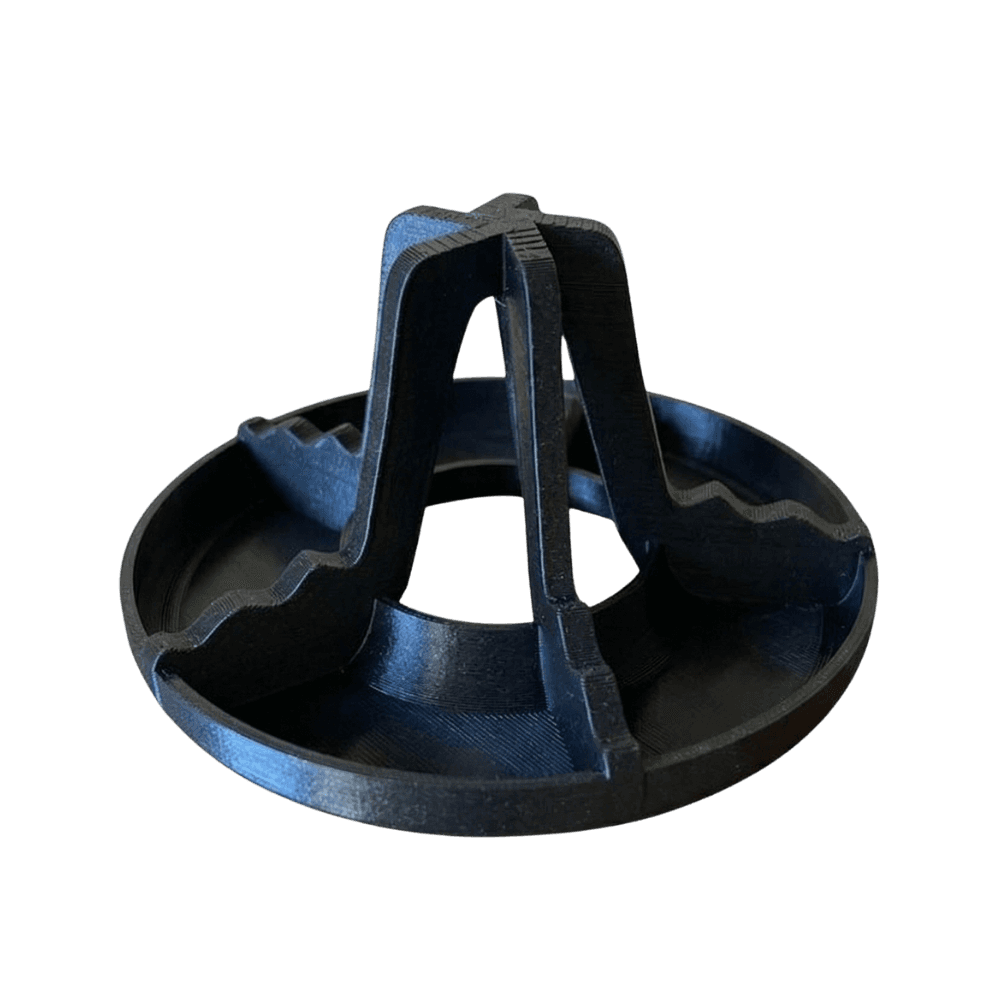
Séchoir à Bouteille et Gourde
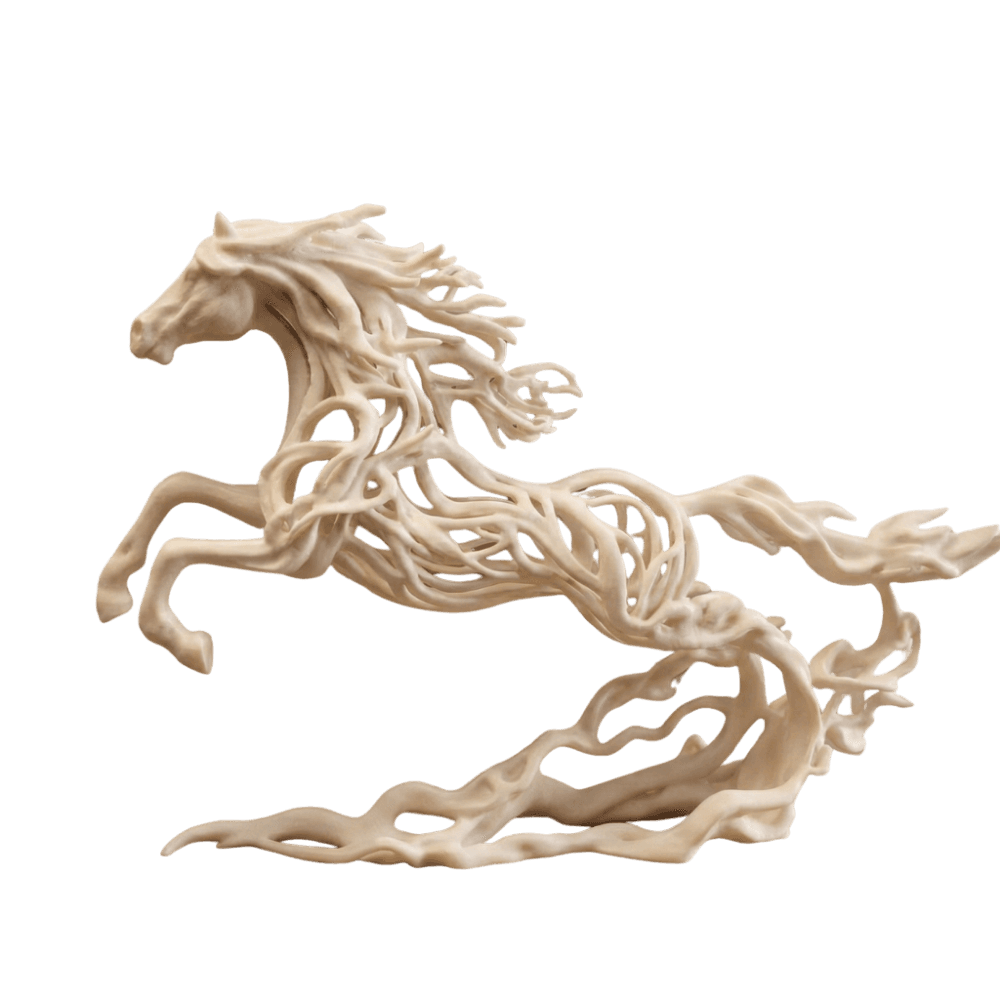
Sculpture Cheval Design — L'Étalon Éthéré
Sculpture Pulsation Cardiaque
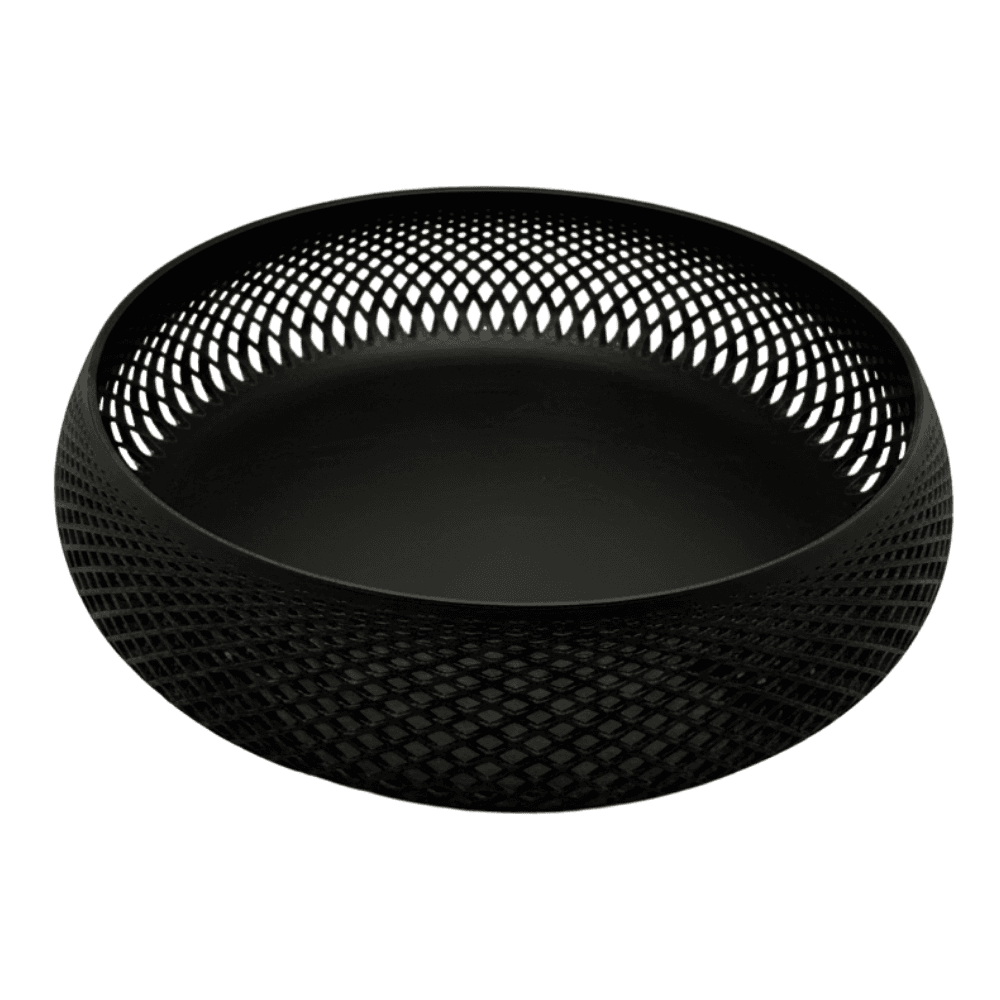
Vide-poche Design Alvéolaire Noir
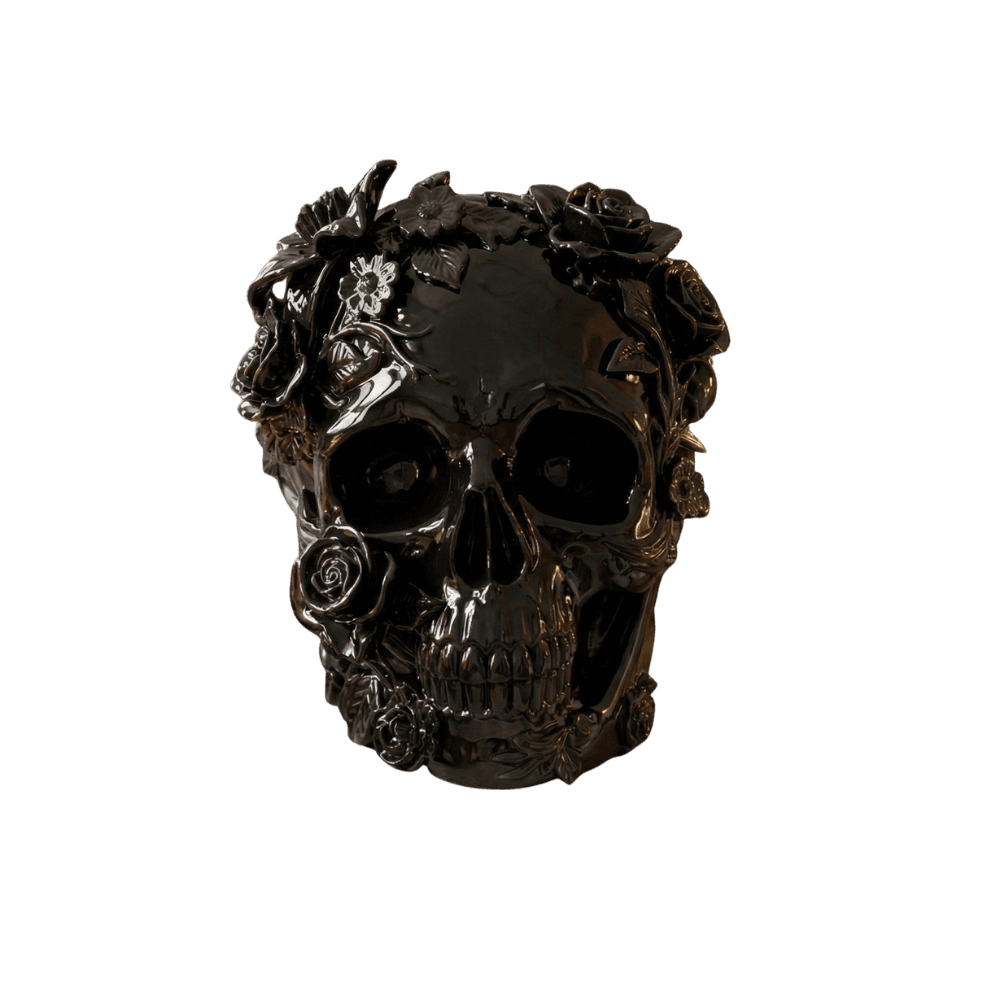
Tête de Mort Florale "Memento"
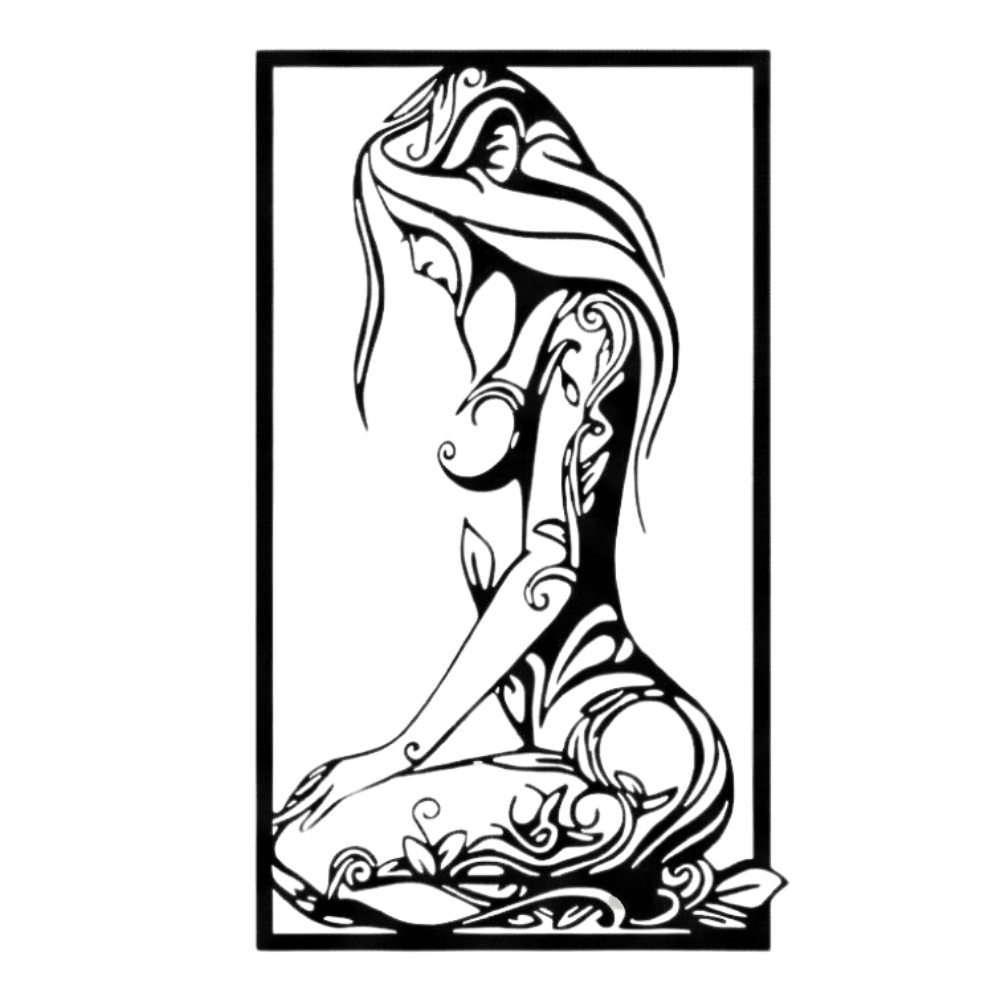
Égérie Féminine — Art Mural Noir
Déco Murale Soleil — L'Éclat de l'Artisanat
Duo Salière et Poivrier Design Noir & Blanc
Mangeoire Design pour Oiseaux — L'Écrin Aérien
Porte Casque Audio Mural Tentaculaire
Crâne Décoratif "L'Éternelle"
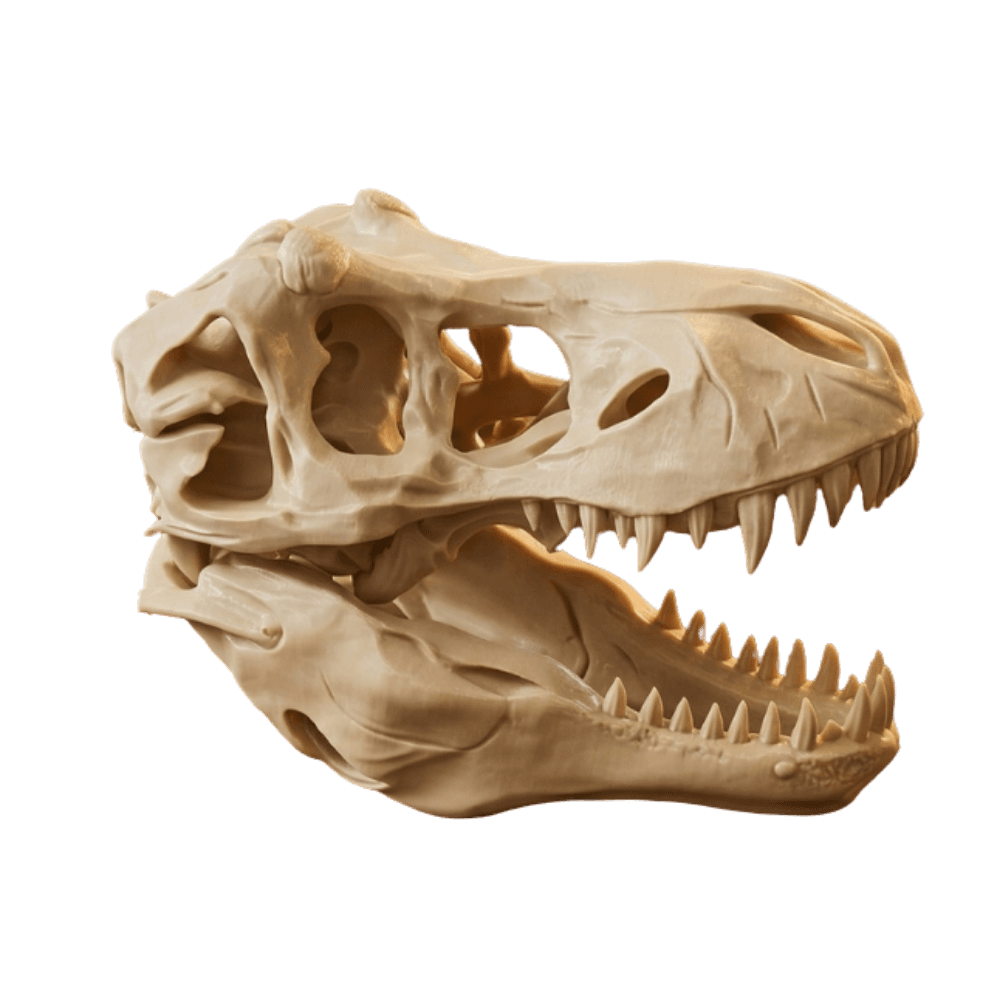
Crâne de T-Rex Majestueux
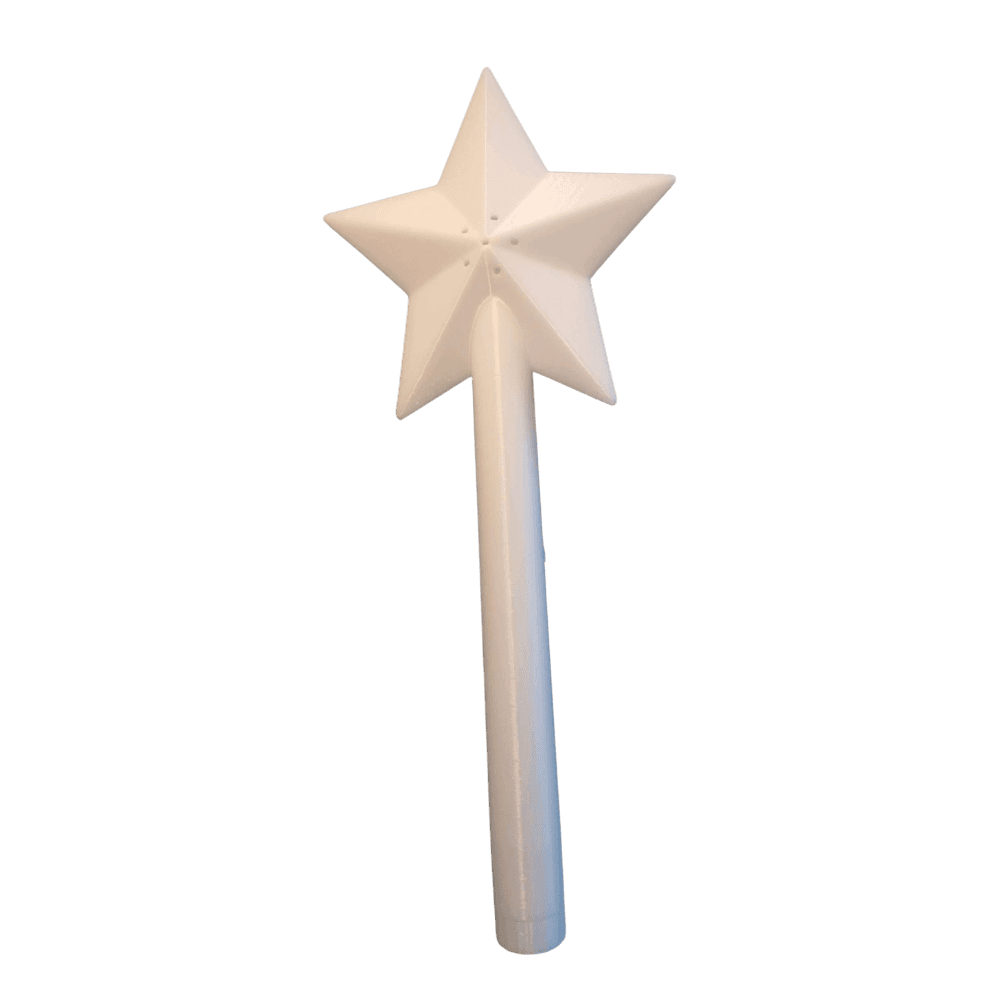
Salière Poivrière Baguette Magique
Porte Serviette Mural Onde
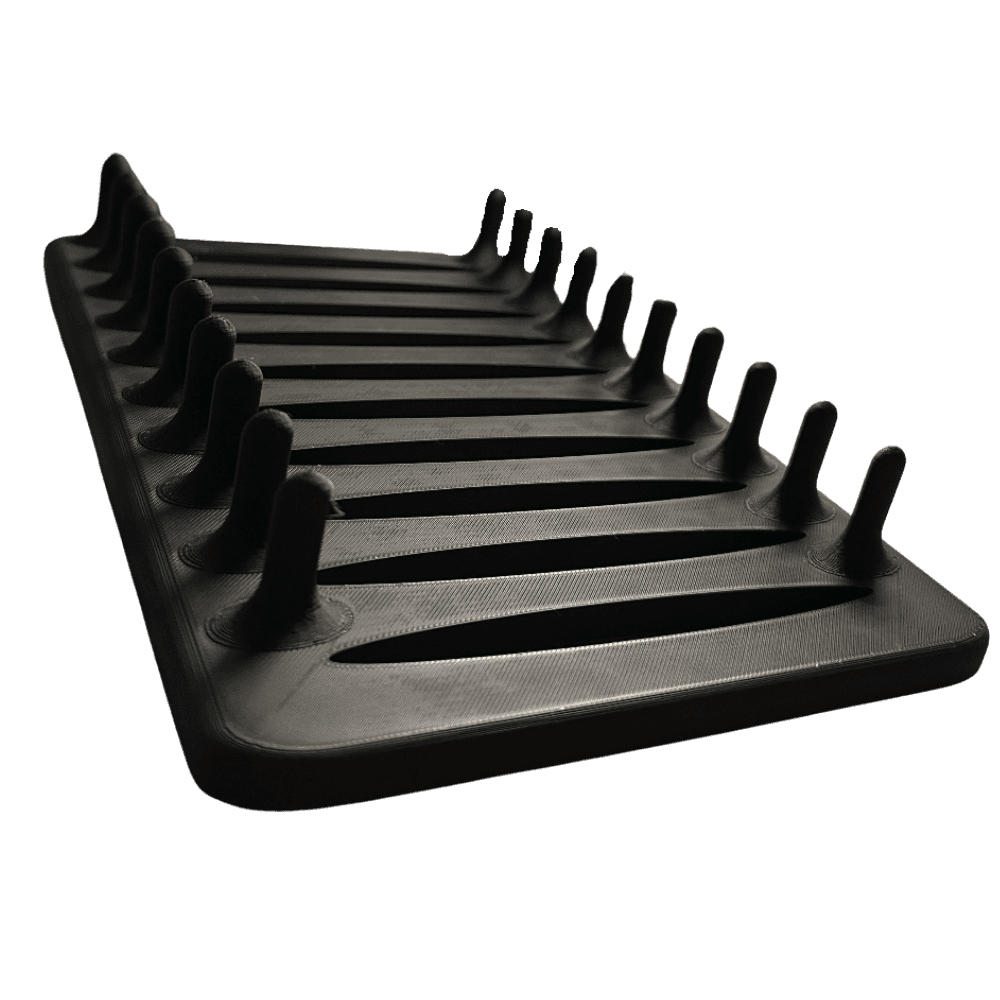
Range Assiette Vertical
Horloge Quadris
Vase Alcôve