Boutique
Affichage de 1–16 sur 19 résultats
-
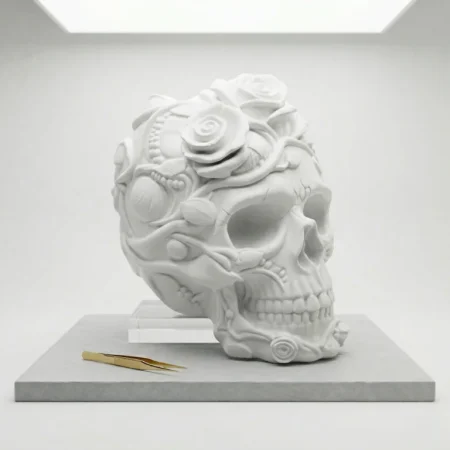
Crâne décoratif floral blanc – L’Éternelle
24,90 € Ajouter au panier -

Décoration murale battement de cœur – Pulsation
24,90 € Ajouter au panier -
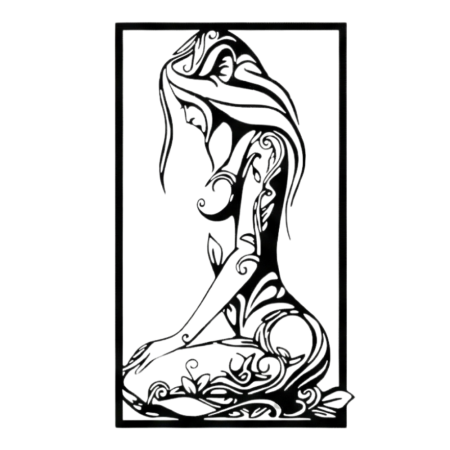
Décoration murale silhouette femme – Égérie
15,99 € Ajouter au panier -

Décoration murale soleil design
14,99 € Ajouter au panier -
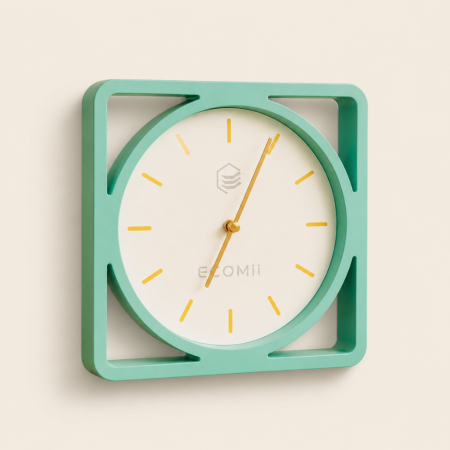
Horloge murale silencieuse design – Quadris
44,99 € Ajouter au panier -
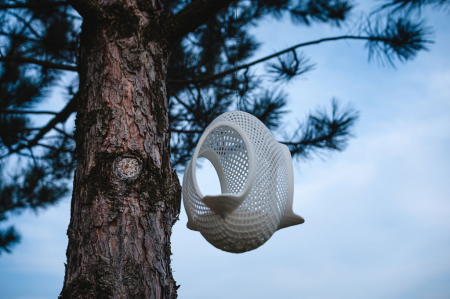
Mangeoire design pour oiseaux – L’Écrin Aérien
19,99 € Ajouter au panier -
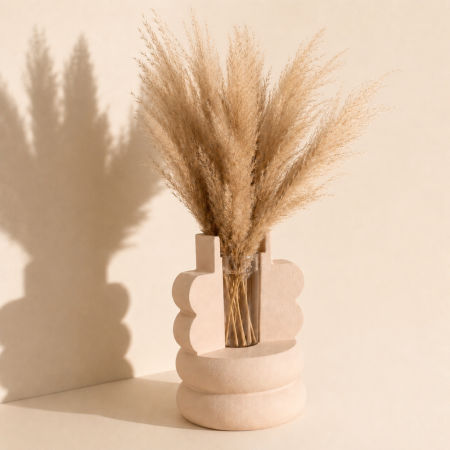
Petit vase design original – Alcôve
14,99 € Ajouter au panier -
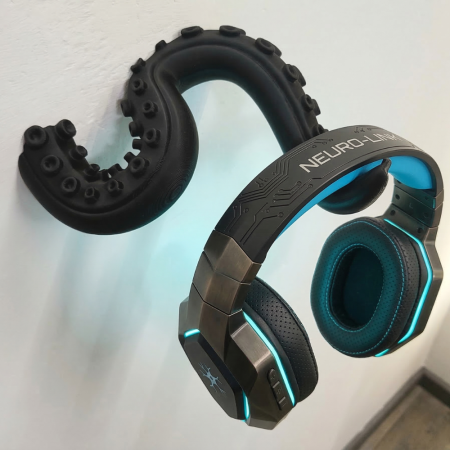
Porte-casque mural design Kraken
19,99 € Ajouter au panier -
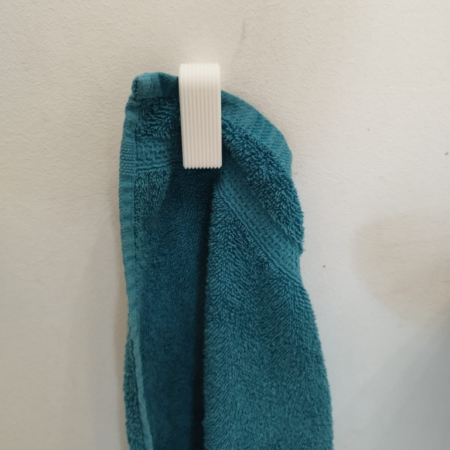
Porte-serviette mural design – Onde
5,00 € Ajouter au panier -
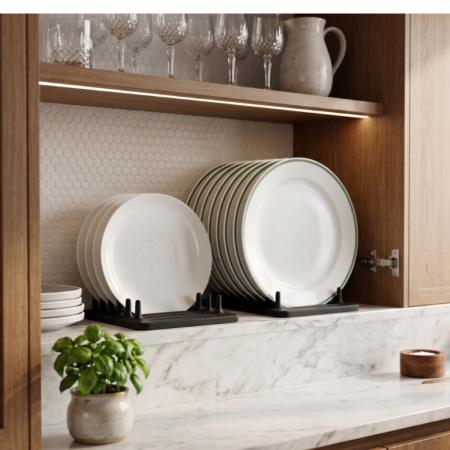
Range-assiettes vertical design
14,99 € Ajouter au panier -
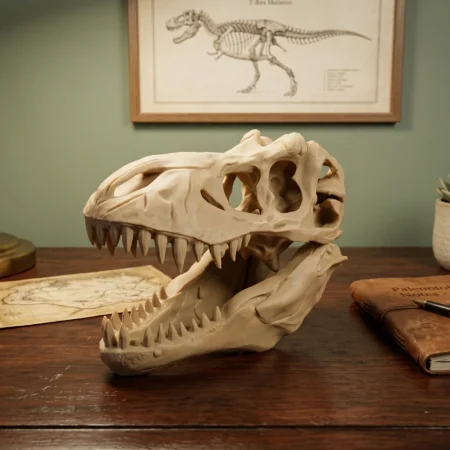
Réplique décorative de crâne T-Rex
24,90 € Ajouter au panier -
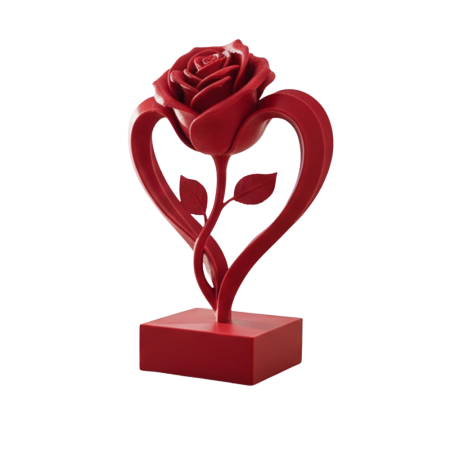
Rose éternelle – Cadeau Saint-Valentin
19,90 € Ajouter au panier -
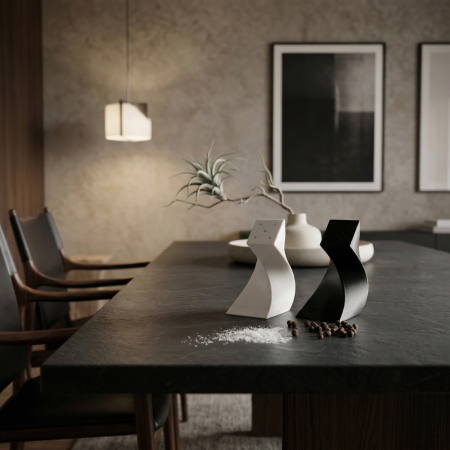
Salière et poivrière design noir & blanc
14,99 € Ajouter au panier -
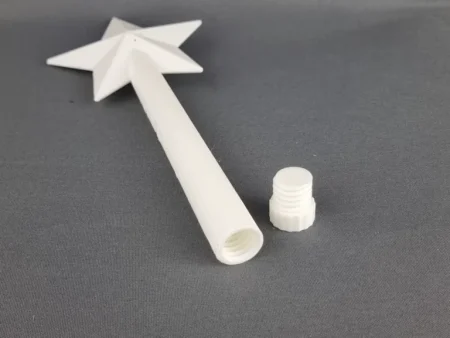
Salière poivrière originale – Baguette magique
16,99 € Ajouter au panier -
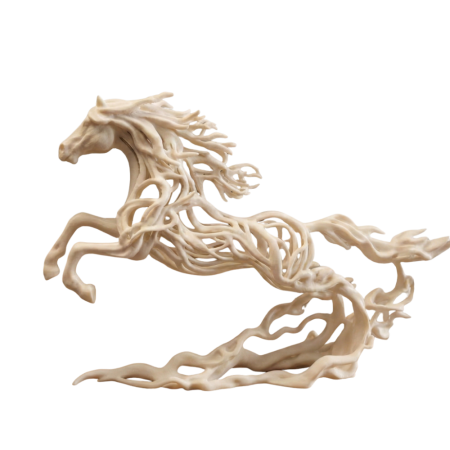
Sculpture cheval design – L’Étalon Éthéré
19,90 € Ajouter au panier -
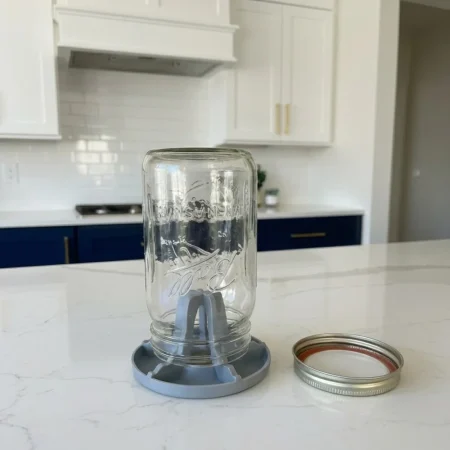
Séchoir à bouteille et gourde
12,99 € Ajouter au panier